

Hey there! I'm a supplier for Safe Fuel Stations, and today I wanna chat about the fueling speed at a safe fuel station. It's a topic that might not seem super exciting at first, but it's actually pretty crucial for both us suppliers and you folks who use these stations.
First off, let's talk about why fueling speed matters. For customers, a fast fueling speed means less time spent at the station. We're all busy people, right? Whether you're a truck driver on a tight schedule or a commuter trying to get to work on time, you don't want to be stuck waiting around to fill up your tank. On the other hand, for us suppliers, a good fueling speed can increase the throughput of the station. More customers can be served in a shorter amount of time, which means more business and happier customers.
So, what's a safe fueling speed? Well, it's not as simple as just pumping the fuel as fast as possible. There are a bunch of factors that come into play to determine the optimal and safe fueling speed.
One of the main factors is the type of vehicle. Different vehicles have different fuel tank capacities and designs. For example, a small car with a relatively small fuel tank can usually handle a faster fueling speed compared to a large truck with a big tank. The fuel tank of a car might be able to take in fuel at a rate of around 10 - 15 gallons per minute without any issues. But for a large truck, the fueling speed might need to be slower, maybe around 5 - 10 gallons per minute. This is because a faster fueling speed in a large tank can cause splashing, which can lead to spills and safety hazards.
Another important factor is the type of fuel. Gasoline and diesel have different properties, and these properties affect the safe fueling speed. Gasoline is more volatile than diesel, which means it can vaporize more easily. If the fueling speed is too fast, it can create a lot of vapor, which is not only a waste of fuel but also a fire hazard. Diesel, being less volatile, can generally tolerate a slightly faster fueling speed.
The design of the fueling equipment also plays a big role. At our Safe Fuel Stations, we use high - quality Flame-Retardant Fuel Station Equipment. This equipment is designed to ensure a smooth and safe fueling process. The nozzles are engineered to control the flow of fuel precisely. They have built - in mechanisms to prevent over - filling and to reduce the formation of vapor. For instance, some of our nozzles have a special valve that shuts off automatically when the tank is full.
Safety regulations are another aspect that can't be ignored. There are local, state, and federal regulations that govern the fueling speed at fuel stations. These regulations are in place to protect the environment, prevent accidents, and ensure the safety of everyone involved. Our Safe Fuel Stations strictly adhere to these regulations. We make sure that our fueling speed is within the legal limits, and we also conduct regular inspections and maintenance of our equipment to ensure compliance.
Now, let's talk about how we, as a supplier, optimize the fueling speed at our Safe Fuel Stations. We work closely with vehicle manufacturers to understand the specific requirements of different vehicles. This allows us to set the appropriate fueling speed for each type of vehicle. We also invest in research and development to improve our fueling equipment. Our goal is to make the fueling process as fast and safe as possible.
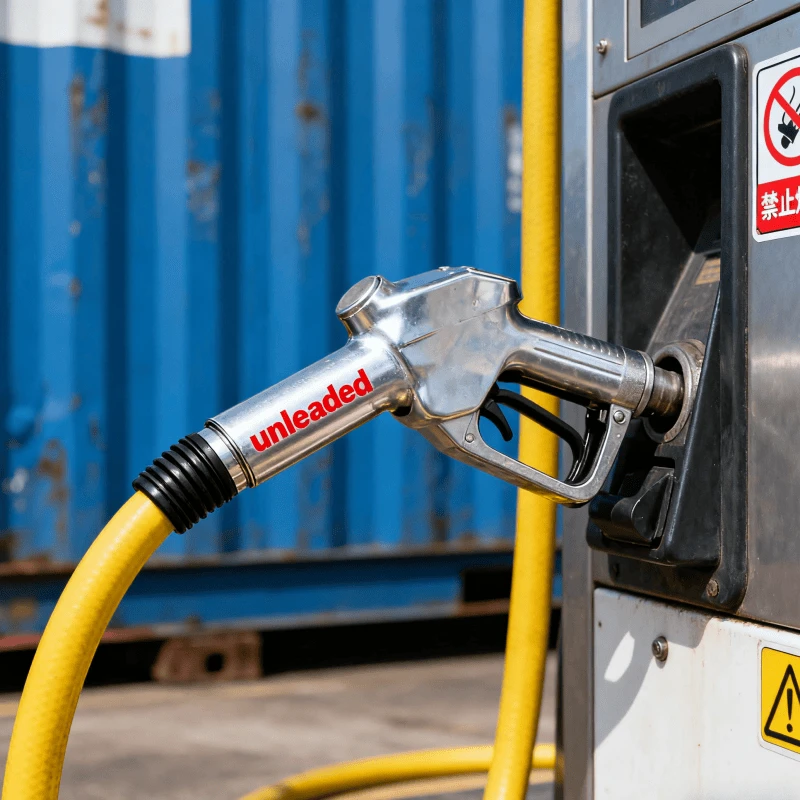
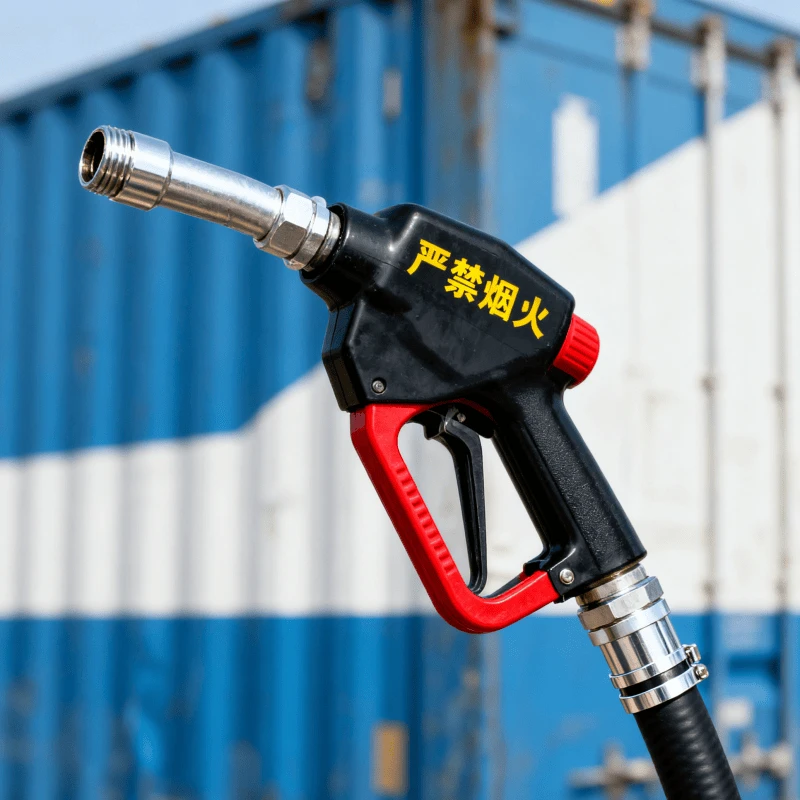
For example, we're constantly looking for ways to reduce the time it takes to start and stop the fueling process. We've implemented advanced technology in our fuel pumps that can quickly detect the type of vehicle and adjust the fueling speed accordingly. This not only saves time but also ensures a more efficient and safe fueling experience.
In some cases, we also offer different fueling options at our stations. For customers who are in a hurry, we have a "fast - fill" option. However, this option is only available for vehicles that can safely handle a higher fueling speed. For other customers, we have the standard fueling option, which provides a more moderate and safe fueling speed.
At our Safe Fuel Stations, we also take into account the location of the station. If the station is located in a high - traffic area, we might need to adjust the fueling speed to ensure that the flow of vehicles in and out of the station is smooth. This is especially important for construction sites. We have Construction Site Explosion - proof Fuel Stations that are designed to meet the specific needs of construction vehicles. These stations are built with extra safety features to prevent explosions and fires, and the fueling speed is carefully calibrated to ensure the safety of the workers and the equipment on the site.
So, in conclusion, the fueling speed at a safe fuel station is a complex balance between speed, safety, and efficiency. As a supplier, we're committed to providing the best possible fueling experience for our customers. We use the latest technology, follow strict safety regulations, and work hard to optimize the fueling process.
If you're interested in our Safe Fuel Stations or have any questions about fueling speed and safety, I encourage you to reach out to us. We're always happy to have a chat and discuss your specific needs. Whether you're a business owner looking to set up a fuel station or an individual interested in our services, we're here to help.
References
- Industry standards on fueling safety and speed
- Research papers on vehicle fuel tank design and fuel properties