

What is the research progress of porous suppression material?
In recent years, the research on porous suppression materials has witnessed significant advancements, driven by the increasing demand for safety in various industries, especially those dealing with flammable and explosive substances. As a leading supplier of porous suppression materials, I am excited to share the latest research progress and how it impacts our products and services.
1. Understanding Porous Suppression Materials
Porous suppression materials are designed to inhibit the propagation of flames and suppress explosions in confined spaces. These materials typically have a high porosity and a large surface - area - to - volume ratio, which allows them to absorb and dissipate the energy released during an explosion. The most common types of porous suppression materials include metal foams, fibrous materials, and porous ceramics.
Metal foams, such as aluminum and nickel foams, have been widely studied due to their excellent mechanical properties and high thermal conductivity. Fibrous materials, like glass fibers and carbon fibers, are lightweight and can be easily shaped into different forms. Porous ceramics offer high temperature resistance and chemical stability, making them suitable for harsh environments.
2. Mechanisms of Explosion Suppression
The explosion suppression mechanism of porous materials mainly involves three aspects: heat absorption, flame quenching, and pressure reduction.
When an explosion occurs, the porous material absorbs a large amount of heat generated by the combustion reaction. The high surface area of the porous structure provides more contact area with the burning gas, facilitating heat transfer from the gas to the material. This heat absorption reduces the temperature of the gas, which in turn slows down the combustion reaction and may even quench the flame.
Flame quenching is another important mechanism. The small pores in the porous material can disrupt the flame front, causing the flame to lose its energy and eventually go out. The narrow channels in the material prevent the free propagation of the flame, as the flame has to overcome the resistance of the porous structure.
In addition, the porous material can also reduce the pressure rise during an explosion. The porous structure acts as a buffer, absorbing and dispersing the shock wave energy. This helps to prevent the rapid increase of pressure in the confined space, reducing the damage caused by the explosion.
3. Recent Research Progress
3.1. Material Design and Optimization
Recent research has focused on the design and optimization of porous suppression materials to improve their explosion - suppression performance. Scientists are exploring new materials and fabrication methods to create porous structures with better pore size distribution, porosity, and surface properties.
For example, some researchers are using nanotechnology to fabricate porous materials with nanoscale pores. These nanoscale pores can enhance the heat transfer and flame quenching efficiency, as they provide a larger surface area and more tortuous paths for the flame. Additionally, the use of composite materials, which combine different types of porous materials, has shown promising results. By combining the advantages of different materials, the composite porous suppression material can achieve better overall performance.
3.2. Computational Modeling
Computational modeling has become an important tool in the research of porous suppression materials. Numerical simulations can help researchers understand the explosion - suppression mechanisms in detail and predict the performance of different porous structures.
Using computational fluid dynamics (CFD) and molecular dynamics (MD) simulations, researchers can simulate the flow of gas, the propagation of flames, and the interaction between the porous material and the explosion. These simulations can provide valuable insights into the design and optimization of porous suppression materials, reducing the need for expensive and time - consuming experimental tests.
3.3. Application in New Fields
Porous suppression materials are not only used in traditional fields such as fuel tanks and storage tanks but also find new applications in emerging industries.
In the aerospace industry, porous suppression materials are being considered for use in rocket fuel tanks to prevent explosions during launch and flight. In the energy storage field, they can be used in battery packs to enhance safety. The increasing demand for electric vehicles and large - scale energy storage systems has further promoted the research and application of porous suppression materials in these areas.
4. Our Products and Their Advantages
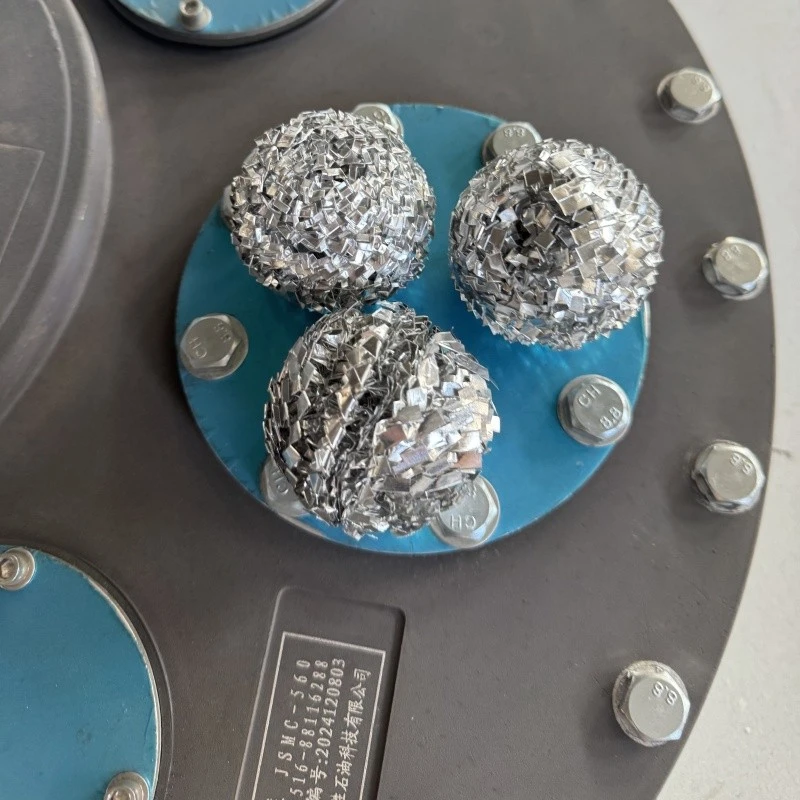
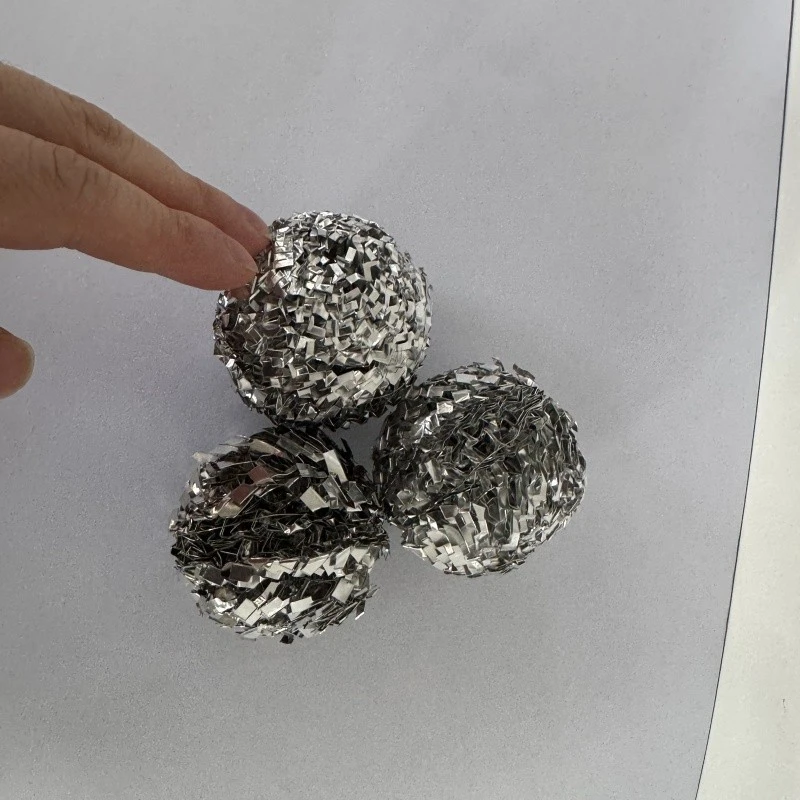
As a supplier of porous suppression materials, we offer a wide range of products to meet the diverse needs of our customers. Our products include Fuel Tank Explosion Suppression Material, Explosion Protected Storage Tank Material, and UST Explosion Protection Material.
Our fuel tank explosion suppression material is made of high - quality metal foam, which has excellent heat absorption and flame quenching properties. It can effectively prevent the explosion of fuel tanks, even in extreme conditions. The explosion protected storage tank material is designed to withstand high pressures and temperatures, providing long - term protection for storage tanks. Our UST explosion protection material is suitable for underground storage tanks, offering reliable explosion protection in buried environments.
We continuously invest in research and development to improve the performance of our products. Based on the latest research progress, we optimize the pore structure and material composition of our products to ensure the best explosion - suppression effect.
5. Conclusion and Call to Action
The research progress of porous suppression materials has opened up new opportunities for improving safety in various industries. With the continuous development of material science and engineering, we can expect even better - performing porous suppression materials in the future.
If you are looking for high - quality porous suppression materials for your applications, we are here to help. Our team of experts can provide you with professional advice and customized solutions. Whether you need fuel tank explosion suppression materials, explosion protected storage tank materials, or UST explosion protection materials, we have the right products for you. Contact us today to start a procurement negotiation and take a step towards a safer environment.
References
- Smith, J. K., & Johnson, A. B. (2018). Review of explosion suppression techniques using porous materials. Journal of Hazardous Materials, 345, 123 - 135.
- Wang, L., & Li, H. (2020). Computational modeling of explosion suppression in porous media. International Journal of Heat and Mass Transfer, 155, 119832.
- Chen, S., & Zhang, Y. (2021). Nanostructured porous materials for explosion suppression. Advanced Materials, 33(17), 2007890.