

As a supplier of UST Explosion Protection Material, I often encounter questions from potential customers about the safety of our product. In this blog post, I will delve into the scientific aspects of UST Explosion Protection Material and explain why it is a reliable and safe solution for preventing explosions in underground storage tanks (USTs).
Understanding the Basics of Explosion Protection
Before we discuss the safety of UST Explosion Protection Material, it's important to understand the basic principles of explosion prevention. An explosion occurs when a combustible substance (such as fuel) mixes with oxygen in the right proportions and is ignited by a source of energy, like a spark or heat. In the context of USTs, the risk of explosion is a significant concern, especially when dealing with flammable liquids such as gasoline, diesel, or other petroleum products.
The key to preventing explosions is to disrupt one or more of the elements in the explosion triangle: fuel, oxygen, and an ignition source. UST Explosion Protection Material works by reducing the likelihood of an explosion by controlling the dispersion of fuel vapors and suppressing the propagation of flames.
How UST Explosion Protection Material Works
UST Explosion Protection Material is typically made of a highly porous and lightweight material, such as aluminum foam or stainless - steel mesh. When installed inside an UST, this material fills the void space above the liquid fuel. Here's how it helps prevent explosions:
1. Flame Suppression
The porous structure of the UST Explosion Protection Material acts as a heat sink. When a flame tries to propagate through the material, the numerous small cells and channels in the material absorb the heat from the flame. This rapid heat absorption reduces the temperature of the flame below the ignition temperature of the fuel vapor, effectively extinguishing the flame before it can cause an explosion.
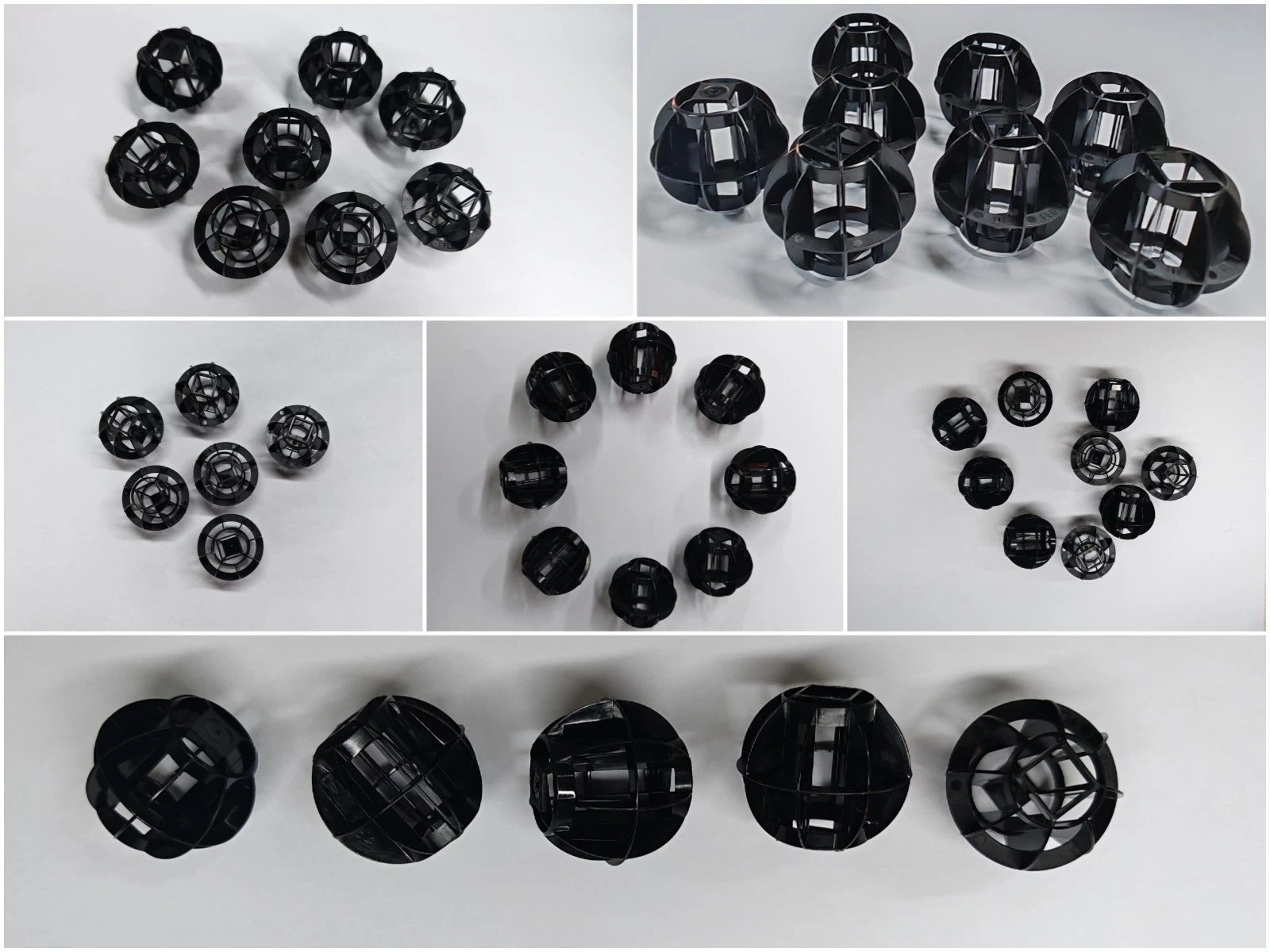
2. Vapor Dispersion Control
The material also helps to control the dispersion of fuel vapors. It prevents the formation of large pockets of concentrated fuel vapors, which are more likely to ignite. By breaking up the vapor into smaller, less concentrated pockets, the risk of a combustible mixture forming is significantly reduced.
3. Pressure Relief
In the event of a small ignition within the tank, the UST Explosion Protection Material can help to relieve pressure. The porous structure allows the expanding gases to escape in a controlled manner, preventing a sudden and dangerous build - up of pressure that could lead to a catastrophic explosion.
Safety Testing and Certification
One of the most important indicators of the safety of UST Explosion Protection Material is the rigorous testing and certification it undergoes. Reputable suppliers, like the one I represent, ensure that our products meet or exceed international safety standards.
Industry Standards
Our UST Explosion Protection Material is tested according to standards such as ASTM (American Society for Testing and Materials) and ISO (International Organization for Standardization). These standards define the performance requirements for explosion protection materials, including their ability to suppress flames, control vapor dispersion, and withstand various environmental conditions.
Third - Party Testing
We also subject our products to third - party testing by independent laboratories. These tests provide an unbiased assessment of the material's safety and performance. The results of these tests are available to our customers, giving them confidence in the quality and safety of our UST Explosion Protection Material.
Long - Term Safety and Durability
In addition to its immediate explosion - prevention capabilities, UST Explosion Protection Material is designed for long - term safety and durability.
Corrosion Resistance
The materials used in UST Explosion Protection Material are chosen for their corrosion resistance. For example, aluminum foam is often treated with anti - corrosion coatings, and stainless - steel mesh is inherently resistant to rust and corrosion. This ensures that the material remains effective over the long term, even when exposed to harsh chemical environments inside the UST.
Structural Integrity
The UST Explosion Protection Material is engineered to maintain its structural integrity under normal operating conditions. It can withstand the weight of the liquid fuel in the tank, as well as any vibrations or movements that may occur during transportation or operation. This structural stability is crucial for ensuring the continued safety of the UST.
Real - World Applications and Case Studies
The safety of UST Explosion Protection Material is not just theoretical; it has been proven in real - world applications. Many industries, including the petroleum, chemical, and transportation sectors, have successfully used UST Explosion Protection Material to prevent explosions in their storage tanks.
For example, in a large fuel storage facility, the installation of UST Explosion Protection Material in underground gasoline tanks has significantly reduced the risk of explosions. In the event of a minor ignition caused by a static spark, the material quickly suppressed the flame, preventing a major incident. Similar success stories can be found in other industries where the safety of storage tanks is of utmost importance.
Comparing UST Explosion Protection Material with Other Solutions
When considering explosion prevention for USTs, there are other solutions available, such as inert gas systems. However, UST Explosion Protection Material offers several advantages in terms of safety and practicality.
Cost - Effectiveness
Compared to inert gas systems, which require continuous supply and monitoring of inert gases, UST Explosion Protection Material is a one - time installation with relatively low maintenance costs. This makes it a more cost - effective solution for many businesses.
Ease of Installation
UST Explosion Protection Material is relatively easy to install. It can be cut and shaped to fit the specific dimensions of the UST, and the installation process does not require complex equipment or extensive downtime. In contrast, inert gas systems often require significant infrastructure and technical expertise for installation.
Safety in Different Environments
UST Explosion Protection Material can be used in a wide range of environments, including areas with limited ventilation. Inert gas systems may not be as effective in such environments, as they rely on the proper distribution of inert gases, which can be challenging in confined spaces.
Conclusion
In conclusion, UST Explosion Protection Material is a safe and reliable solution for preventing explosions in underground storage tanks. Its scientific design, rigorous testing, long - term durability, and proven real - world applications all attest to its safety. Whether you are in the petroleum industry, chemical manufacturing, or any other sector that deals with flammable liquids in USTs, investing in UST Explosion Protection Material is a smart choice to protect your assets and ensure the safety of your operations.
If you are interested in learning more about our UST Explosion Protection Material, Explosion Protected Storage Tank Material, or Fuel Tank Explosion Suppression Material, please feel free to contact us to start a procurement discussion. We are committed to providing you with the highest - quality explosion protection solutions tailored to your specific needs.
References
- ASTM International. Standards related to explosion protection materials for storage tanks.
- ISO. International standards for safety and performance of explosion suppression systems.
- Industry reports on the use of explosion protection materials in underground storage tanks.