

Hey there! As a supplier of explosion proof gas stations, I often get asked about the seismic resistance requirements for these crucial facilities. In this blog, I'll break down what those requirements are, why they matter, and how our products meet them.
Why Seismic Resistance Matters for Explosion Proof Gas Stations
First off, let's talk about why seismic resistance is such a big deal for explosion proof gas stations. Gas stations are full of flammable materials like gasoline and diesel. During an earthquake, the ground shakes violently, and this can cause all sorts of problems. Tanks can rupture, pipes can break, and if there's a spark, it could lead to a massive explosion or fire. That's not just bad news for the gas station itself but also for the surrounding community.
Imagine an earthquake hitting an area with a gas station that's not seismically resistant. The shaking could topple storage tanks, spill fuel everywhere, and put nearby homes, businesses, and people at risk. So, having proper seismic resistance in explosion proof gas stations is essential for safety and preventing environmental disasters.
Seismic Resistance Requirements
Now, let's dive into the actual seismic resistance requirements. These requirements can vary depending on where the gas station is located. Different regions have different levels of seismic activity, and building codes are designed to reflect that.
Site Classification
The first step in determining seismic resistance requirements is to classify the site. Engineers look at the soil type, the history of seismic activity in the area, and other geological factors. There are generally four main site classes: A, B, C, and D, with A being the most stable and D being the least stable.
For example, if a gas station is built on soft, sandy soil (site class D), it will need to have more robust seismic resistance measures compared to a station built on hard rock (site class A). This is because soft soil amplifies the shaking during an earthquake, putting more stress on the structure.
Structural Design
Once the site is classified, the next step is to design the structure of the gas station to withstand the expected seismic forces. This includes everything from the foundation to the above-ground structures like the canopy and the storage tanks.
- Foundation Design: The foundation is the base of the gas station, and it needs to be strong enough to keep the entire structure stable during an earthquake. For sites with high seismic activity, engineers might use deep foundations like piles or caissons to reach more stable soil layers. These foundations can better resist the lateral forces generated by the shaking ground.
- Above-Ground Structures: The canopy and other above-ground structures also need to be designed to resist seismic forces. They should be able to sway without collapsing. This often involves using flexible materials and proper bracing systems. For example, steel frames can be designed to bend and flex during an earthquake rather than breaking.
Equipment and Systems
In addition to the structural design, the equipment and systems in the gas station also need to be seismically resistant. This includes the storage tanks, the dispensing systems, and the electrical and plumbing systems.
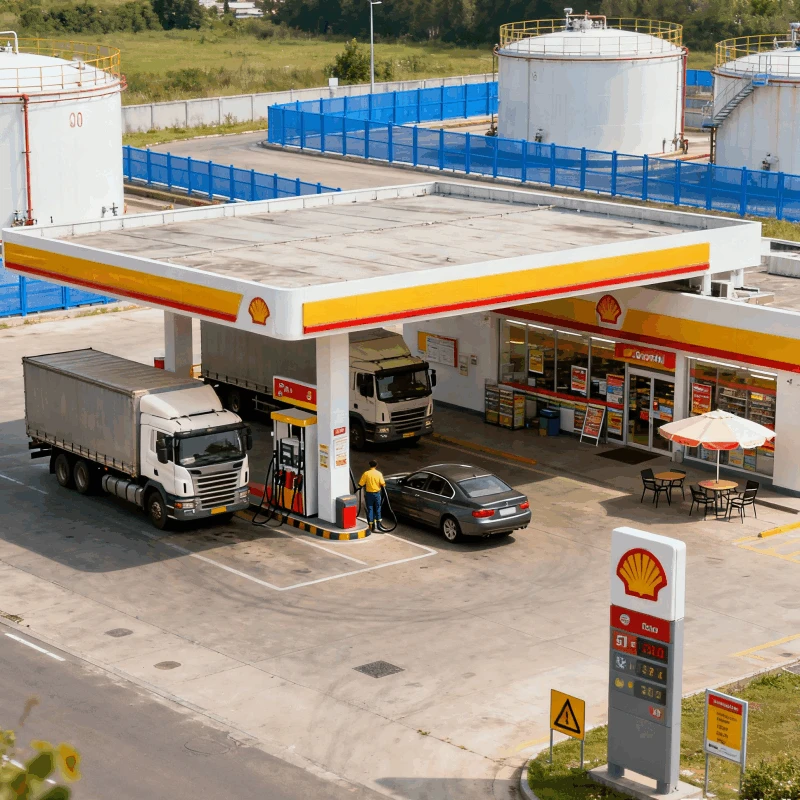
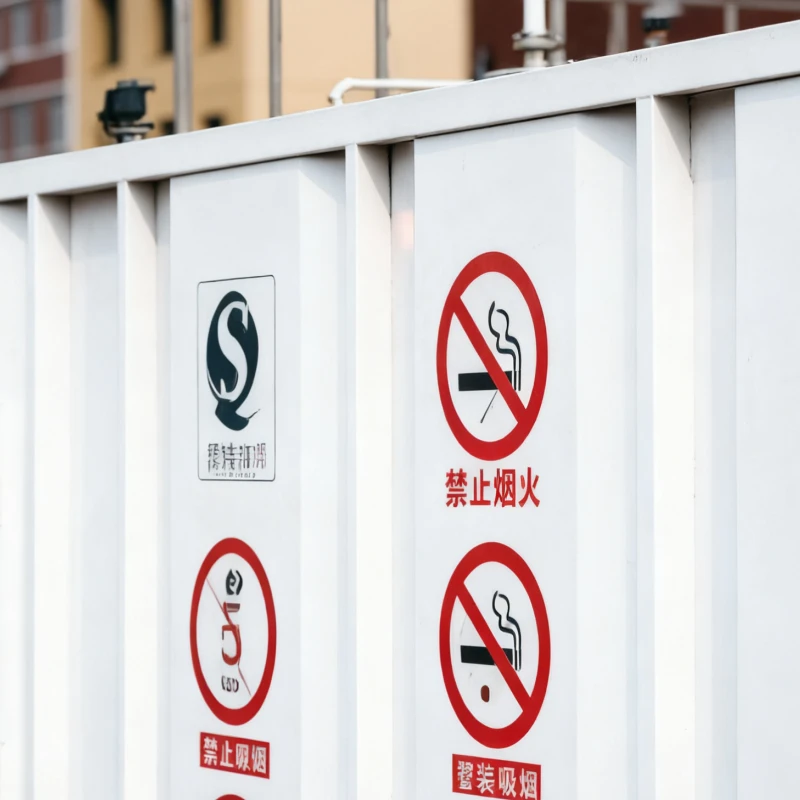
- Storage Tanks: Storage tanks are a critical component of a gas station. They need to be designed to prevent leakage during an earthquake. This can involve using flexible connections between the tank and the piping system, as well as proper anchoring to keep the tank in place.
- Dispensing Systems: The Explosion Proof Dispensing System also needs to be seismically resistant. It should be able to continue operating safely during and after an earthquake. This might involve using flexible hoses and connectors to prevent damage from the shaking.
- Electrical and Plumbing Systems: Electrical and plumbing systems can be easily damaged during an earthquake. To prevent this, they should be designed with seismic bracing and flexible connections. This ensures that power and water can still be supplied to the gas station after an earthquake, which is important for emergency response and recovery.
Our Products and Seismic Resistance
At our company, we take seismic resistance very seriously. We understand that our Flameproof Explosion Proof Station and Explosion Proof Station for Mining need to be able to withstand earthquakes and keep our customers and the environment safe.
Customized Design
We offer customized design solutions for our explosion proof gas stations. When we work with a customer, we first assess the site and the seismic requirements. Based on this assessment, our engineers design a gas station that meets or exceeds the local building codes.
For example, if a customer wants to build a gas station in a high-seismic area, we'll use deep foundations, flexible structural materials, and advanced seismic bracing systems. We'll also ensure that all the equipment and systems are properly designed and installed to resist seismic forces.
Quality Materials and Construction
We only use high-quality materials in the construction of our gas stations. Our storage tanks are made of strong, corrosion-resistant steel, and they are designed to withstand the pressure and stress of an earthquake. The dispensing systems are also built to last, with flexible hoses and connectors that can handle the shaking.
In addition, our construction team is highly trained and experienced. They follow strict quality control procedures to ensure that every gas station we build is seismically resistant and safe.
Contact Us for Seismic-Resistant Explosion Proof Gas Stations
If you're in the market for an explosion proof gas station, we'd love to hear from you. Our team of experts can help you understand the seismic resistance requirements for your site and design a gas station that meets your needs. Whether you're building a Flameproof Explosion Proof Station or an Explosion Proof Station for Mining, we've got you covered.
Don't take chances with the safety of your gas station and the surrounding community. Contact us today to start the conversation about your project.
References
- International Building Code (IBC)
- American Society of Civil Engineers (ASCE) 7 - Minimum Design Loads for Buildings and Other Structures
- National Fire Protection Association (NFPA) Codes and Standards